
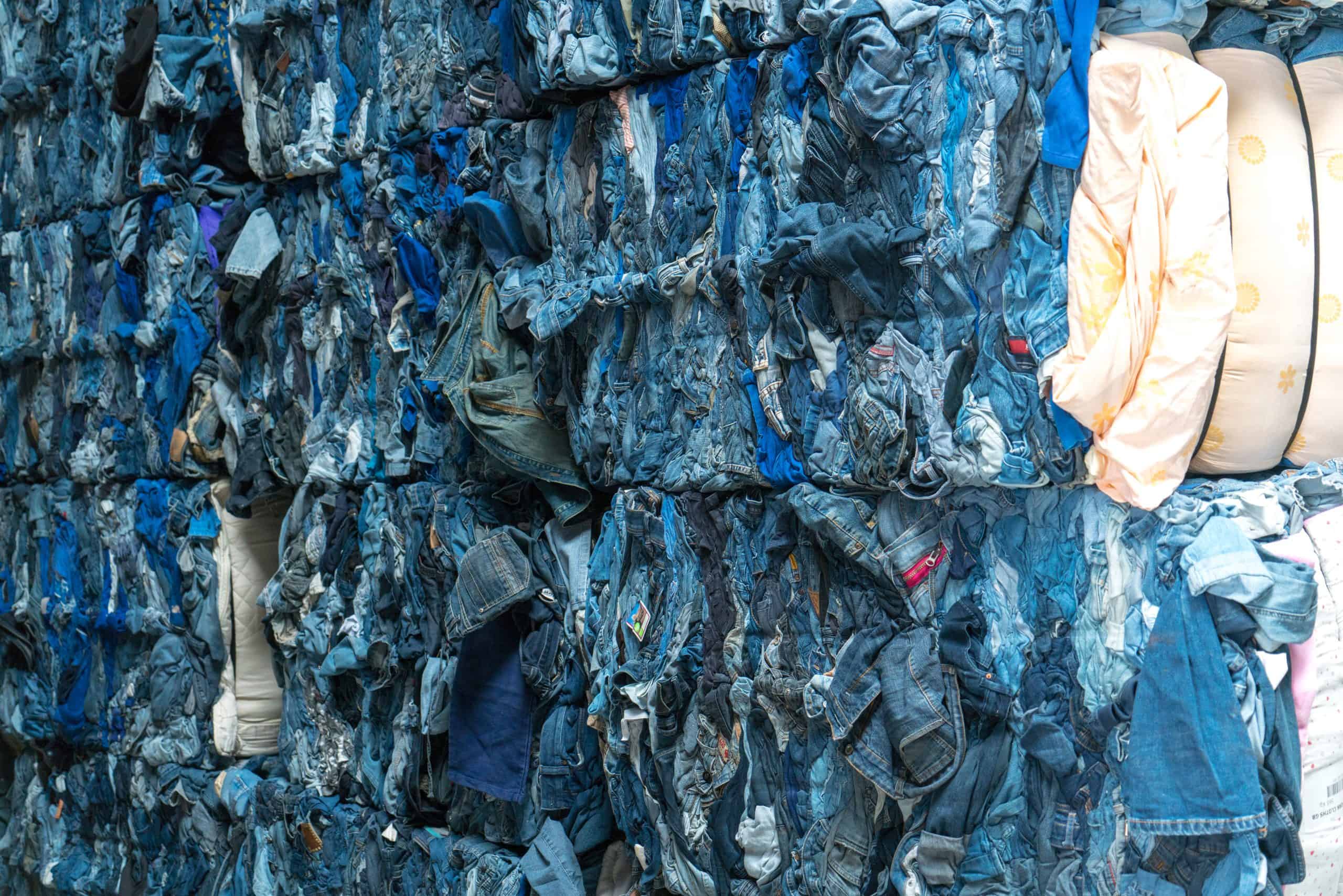

Optimizing the complex journey of post-consumer textiles from collection to remanufacture. Practical insights for sustainable waste management.
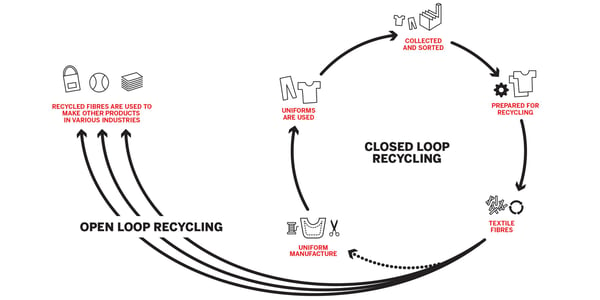
The volume of textile waste generated globally presents a significant environmental and economic challenge. As an industry veteran, I’ve observed firsthand the bottlenecks that hinder effective resource recovery. Moving discarded garments and fabrics efficiently from consumer hands back into the production cycle requires more than just good intentions; it demands robust logistical frameworks. This process, often referred to as End-of-Life Textile Recycling Logistics, is critical for fostering a circular economy. It bridges the gap between waste generation and material reuse, minimizing landfill dependency and conserving valuable resources.
Overview
- Textile waste volumes are escalating, demanding optimized recycling solutions.
- Effective logistics for post-consumer textiles are essential for a circular economy.
- Challenges include material diversity, contamination, and geographically dispersed collection points.
- Successful collection strategies blend consumer convenience with operational efficiency, often involving public-private partnerships in the US.
- Advanced sorting technologies are crucial for separating materials into viable streams for reuse and recycling.
- Leveraging data analytics and automation streamlines processing and reduces operational costs.
- Collaboration across the value chain, from brands to recyclers, is fundamental to scaling impact.
- Technology integration offers transparency and improved material traceability throughout the recycling pipeline.
Challenges in End-of-Life Textile Recycling Logistics
The inherent complexities of End-of-Life Textile Recycling Logistics often stem from the sheer diversity and widespread distribution of textile waste. Unlike other waste streams, textiles are a mix of natural, synthetic, and blended fibers, frequently adorned with zippers, buttons, and embellishments. This heterogeneity complicates sorting and processing. Contamination is another major hurdle; textiles arrive mixed with household waste, dirt, and mold, reducing their recycling value.
Collection points are often decentralized, spanning individual households, retail take-back programs, and municipal drop-offs. Aggregating these materials into volumes suitable for economical transportation and processing requires significant coordination. In many regions, particularly across the US, infrastructure for collecting and transporting post-consumer textiles specifically for recycling remains fragmented. This lack of dedicated channels adds to collection costs and logistical inefficiencies, making the entire operation more difficult to scale.
Implementing Sustainable Collection for Textile Waste
Building an effective collection network is the first critical step in any successful textile recovery operation. My experience points to a multi-pronged approach that prioritizes convenience for consumers. This includes establishing readily accessible drop-off bins in high-traffic areas, collaborating with municipalities for curbside textile collections, and partnering with retailers for in-store take-back programs. Public awareness campaigns are vital to educate consumers on what materials are accepted and how to prepare them, reducing contamination at the source.
Developing strong relationships with thrift stores and charities also plays a significant role. These organizations often receive large volumes of donated clothing, much of which may not be suitable for resale but holds value for recycling. Integrating these existing networks into a broader collection strategy can significantly boost material recovery rates. Logistical planning must account for varying collection volumes and frequencies, using flexible routes and vehicle scheduling to keep transportation costs optimized.
Streamlining Sorting and Processing within End-of-Life Textile Recycling Logistics
Effective End-of-Life Textile Recycling Logistics relies heavily on precision sorting. Once collected, textiles undergo an initial manual sort to remove obvious contaminants and separate items suitable for immediate reuse (resale or donation). The remaining materials are then sorted based on fiber composition, color, and fabric type. This stage is labor-intensive, requiring trained personnel to accurately identify materials, which can be challenging with blended fabrics.
Automated sorting technologies, utilizing near-infrared (NIR) spectroscopy, are steadily becoming more prevalent. These systems can quickly identify fiber types, significantly increasing throughput and accuracy compared to manual methods. After sorting, textiles are processed according to their next life cycle. This might involve shredding for fiber-to-fiber recycling, cutting into wiping rags, or preparing for upcycling. Quality control throughout these stages is paramount to ensure the recycled material meets specifications for subsequent manufacturing processes.
Leveraging Technology for Efficient End-of-Life Textile Recycling Logistics
Adopting advanced tools can revolutionize End-of-Life Textile Recycling Logistics operations. Route optimization software, for example, uses algorithms to plan the most efficient collection and transport paths, minimizing fuel consumption and carbon emissions. Real-time tracking of vehicles and material batches provides transparency and improves operational oversight. Data analytics platforms collect information on collection volumes, material composition, and processing efficiency. These insights help identify bottlenecks, predict trends, and inform strategic decisions for system improvements.
Beyond logistics, technology plays a crucial role in material processing. AI-powered vision systems can enhance the accuracy and speed of automated sorting lines, identifying complex fabric blends more effectively. Blockchain technology offers potential for creating transparent and traceable supply chains, documenting the journey of textiles from collection to new product. This not only builds trust but also provides valuable data for life cycle assessments. Investing in these technological solutions helps scale operations and increases the economic viability of textile recycling.


