


Adapting to the post-cookie landscape? Learn how trusted Contextual Advertising in the Post-Cookie Era builds brand safety and audience relevance.
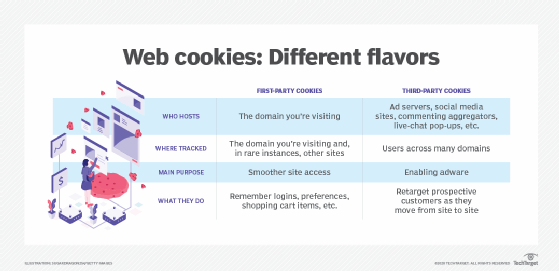
The digital advertising landscape is undergoing a fundamental shift. Third-party cookies, long the backbone of audience targeting, are deprecating. This transition demands a pivot towards privacy-centric solutions that maintain advertising effectiveness. One proven strategy gaining renewed prominence is contextual advertising, now evolving for the modern web.
Overview:
- The demise of third-party cookies necessitates new, privacy-safe advertising methods.
- Contextual Advertising in the Post-Cookie Era focuses on ad placement based on page content, not personal data.
- Advanced AI and machine learning drive sophisticated content analysis, ensuring high relevance.
- This approach offers inherent brand safety by aligning ads with appropriate content categories.
- Building trust with consumers is central, as it respects user privacy by design.
- Contextual solutions provide scalable and effective targeting alternatives for advertisers in the US and globally.
- Ongoing innovation will continue to refine contextual strategies, integrating new signals and formats.
The Evolution of Contextual Advertising in the Post-Cookie Era
For decades, contextual advertising matched ads to website content. Early methods relied on simple keyword matching. Today, the approach is far more sophisticated. Publishers and ad tech platforms use advanced artificial intelligence (AI) and natural language processing (NLP). These technologies analyze page semantics, sentiment, and entity recognition. This allows for a deeper comprehension of content themes and reader intent.
This deep analysis moves beyond superficial keywords. It identifies the overall meaning and mood of a page. For example, an article about sustainable investing might contextually feature ads for ethical funds. This happens even if the specific product isn’t mentioned. This level of precision ensures ads are highly relevant without tracking individual users. This renewed focus makes Contextual Advertising in the Post-Cookie Era a core strategy. It aligns with global privacy regulations and consumer expectations. It builds a more trusted advertising ecosystem.
Building Trust Through Semantic Understanding
The core of effective contextual advertising lies in its ability to understand content semantically. This means recognizing the nuances and implications of a text, not just its surface words. Modern AI algorithms can interpret sarcasm, irony, and complex themes. They ensure ads are placed in genuinely compatible environments. This capability is vital for brand safety. Advertisers avoid controversial or inappropriate content, protecting brand reputation.
For consumers, this translates to a less intrusive and more relevant ad experience. Ads feel like part of the content journey, not interruptions. This enhances trust, as users perceive advertisements as helpful information rather than invasive targeting. In a privacy-first world, this trust is invaluable. It forms the foundation for sustained engagement and positive brand perception. Ethical data practices are inherent to this process, reinforcing consumer confidence.
Operationalizing Contextual Advertising in the Post-Cookie Era for Brands
Implementing advanced contextual strategies requires robust technological infrastructure. Brands collaborate with specialized ad tech partners. These partners offer platforms capable of real-time content analysis and ad serving. Advertisers define target content categories and brand safety parameters. The platforms then automatically place ads on suitable web pages. This includes a wide array of digital formats, from display to video.
Measurement in Contextual Advertising in the Post-Cookie Era shifts. Performance indicators focus on ad viewability, engagement rates, and conversions tied to content categories. Marketers analyze which content environments drive the best results. This informs future campaign planning. The focus remains on collective user behavior within content segments, not individual profiles. This offers scalable and effective reach. It also simplifies compliance with evolving data privacy laws across regions, including the US.
Future Trajectories for Contextual Advertising in the Post-Cookie Era
The future of contextual advertising is bright and dynamic. Continuous innovation will further refine content understanding. New signals, such as audio analysis for podcasts or video scene recognition, will expand its reach. The integration with first-party data strategies is also promising. Publishers can use their own audience insights to enrich contextual segments. This creates even more granular targeting opportunities.
Expect to see more sophisticated predictive contextual models. These models will anticipate user intent based on consumption patterns within specific topics. This moves beyond current page analysis to a broader understanding of user interests. The synergy between privacy-preserving data clean rooms and contextual targeting will also grow. This combination promises a powerful, yet ethical, advertising future. This ensures Contextual Advertising in the Post-Cookie Era remains central to digital marketing success.